

Organising a corporate retreat is a complex task that calls for careful planning and attention to detail. And it is often given to you on top of your usual job — so efficient organisation is essential.
Whether you are tasked with organising an executive committee retreat, a team retreat, a conference or a corporate event, Pointe de Sel offers you 10 key tips to help you create an unforgettable experience for your participants.
Before you organise a retreat and start planning, clearly define its purpose. What is the aim of the retreat: to inform, train, motivate, network, inspire?
A retreat can, for example:
What is also the target audience? Organising a retreat is different depending on whether you are addressing executive committees, teams, clients or partners.
Identifying the purpose of the retreat will help you guide all subsequent decisions, from the choice of venue and programme to the selection of speakers.
If you are organising a retreat on behalf of your director or manager, take the time to discuss their priorities and ask questions so you can offer the most fitting experience.
For example, you can ask them — or yourself — these questions:
Based on your goals and target audience, define the theme and format of your retreat. You can find a catchy title or running theme that will motivate participants and around which the project will revolve.
Given the goals and the participants’ workload, also identify whether it is more appropriate to organise a 2- or 3-day residential retreat during the week, a weekend, a single day or a dinner.
Also choose one or more dates to organise the retreat. Identify participants who absolutely must attend and pick a date that works for them. Try to maximise attendance for the others by avoiding bridge weekends, school holidays and days when colleagues have major commitments (for example, avoid Mondays if there is an ExCo).
Based on the previous criteria (purpose, audience, format), define the target budget for the retreat and the negotiation room available in case of a favourite option.
Make sure the retreat budget has been planned in your management’s budget landing, and negotiate a dedicated allocation if it has not.
If needed, get in touch with your procurement department to find out the internal formalities required to secure your event.
It would be a shame to spend energy organising a retreat only to be blocked at the last moment by a budgetary issue.
A residential retreat lets you fully immerse participants in the event. Organising a retreat where participants stay on site creates a bubble of disconnection from their usual environment and reconnection with each other.
The choice of venue is crucial in creating an atmosphere that supports learning and engagement. Look for unique, inspiring places that match your retreat’s theme.
Also make sure the venue offers the facilities and services needed to host your participants.
Here is an example of a checklist of questions to ask yourself:
The venue should be chosen for its capacity, ease of access, the presence of a dedicated on-site contact…
A site visit can be very useful to avoid any unpleasant surprises and to organise a retreat with a clearer mental picture.
Once you have identified the venue, request a quote. Don’t hesitate to place a hold to secure the booking.
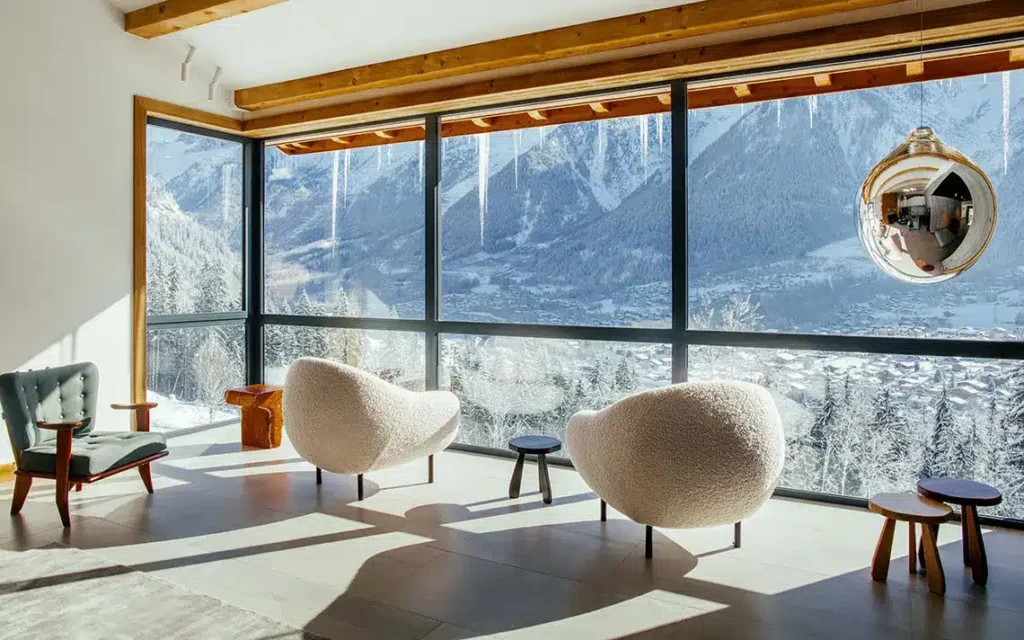
Pick an inspiring, warm venue to organise a retreat
A well-structured programme is essential to keep participants engaged throughout the retreat. Here are a few key tips to organise a retreat with a memorable programme:
Speakers play a key role in a retreat’s success. Look for experts in their field who can bring fresh, inspiring perspectives. They could be trainers, coaches… Don’t hesitate to bring in people from completely different worlds — musicians, artists, top-level athletes… Cross-industry insights can open participants’ minds to new ways of thinking and working.
Make sure speakers have experience with public speaking and can convey their message in an engaging way.
It is not always easy to find the people who will turn the retreat into a real success.
You can directly contact recognised speakers in their field. If they are not available, they will likely give you other contacts. Word of mouth and recommendations are key.
Team-building activities are essential to foster collaboration, communication and cohesion among participants.
You can organise games, challenges or interactive exercises that encourage collaboration and collective learning.
To build bonds, you can also opt for sports or wellness activities — making sure they are accessible to everyone (think of any participants with fragile backs or pregnant women, for example).
If you plan outdoor activities, prepare a Plan B indoors in case of bad weather.
Also consider participants’ wellbeing by offering moments of relaxation and dedicated wellness activities. Yoga or meditation sessions, massages or themed hikes can help reduce stress and boost focus.


Dining is also key to organising a successful retreat and bringing conviviality. Offer high-quality meals tailored to participants’ dietary preferences. You can ask the chef to incorporate local specialities for a touch of discovery and culture.
Don’t forget to ask all participants about dietary restrictions or allergies and to share the list with the chef.
Several formats are usually possible at a retreat. You can opt for hotel-style table service or a buffet. You can also choose a more participative experience, where participants get hands-on with a cooking workshop with a chef, or with meals delivered to the chalet and shared together in a friendly, at-home atmosphere.
For drinks, specify whether wine or alcohol should be planned for lunch or dinner, with possibly an aperitif. An open-bar package is sometimes possible, while bearing in mind that alcohol abuse is harmful to health, to be enjoyed in moderation.
Above all, surprise your participants by organising memorable moments and special activities during the retreat (an inspiring talk, a show, a birthday cake, a personalised gift…). These small touches make the retreat unforgettable.
Organising a retreat takes anticipation and the to-do list is long. The following steps are essential:
Don’t overlook any detail. Review the various activities, the venue’s equipment, make sure everyone’s dietary requirements are covered. Take the time to consider each of these points so as not to forget anything and turn your retreat into an exceptional experience.
Once the retreat is over, ask participants for their feedback on the event. Their input will give you constructive insights to organise an even better retreat next time.
Take their suggestions on board and use them to refine your approach.
Don’t forget to send a thank-you note to the participants — ideally with photos taken during the retreat.
By following these tips, you will be able to organise an unforgettable retreat that leaves a positive impression on participants. Remember that the key to success lies in careful planning, attention to detail and the creation of an engaging, enriching experience for all.
If you are looking for a particular experience or want to save time, you can turn to a professional offering personalised, turnkey solutions.
Pointe de Sel is a specialist in all-inclusive mountain stays, in privatised chalets or charming hotels. We can organise a tailor-made, turnkey retreat in the magical setting of Savoie. The exceptional landscapes, warm and authentic atmosphere, and stimulating activities make Pointe de Sel retreats unforgettable.
Tell us your goals, the number of participants, your budget, your wishes regarding accommodation, activities…
We handle the organisation from end to end, or co-build it with you and your team.
Pointe de Sel is a travel agency licensed by Atout France. We can therefore organise a tailor-made retreat, including accommodation, dining, activities, training, coaching, transport and any other services you require.
Pointe de Sel also holds Professional Liability insurance and a Financial Guarantee, in compliance with current regulations.